The journey back from the doorstep
Two online shops both advertise free returns. One processes apparel in its own warehouse; another relies on a marketplace seller and an outside carrier. The same headline may hide very different handling costs and refund timelines.
A price is meaningful when the quantity, included services, and timing are defined. Compare like units and note whether a figure is a temporary promotion, a membership benefit, or the ordinary checkout total. A chart can show movement without explaining why it happened. The method behind the comparison matters as much as the line itself.
Who pays for reverse logistics
Inspection and resale
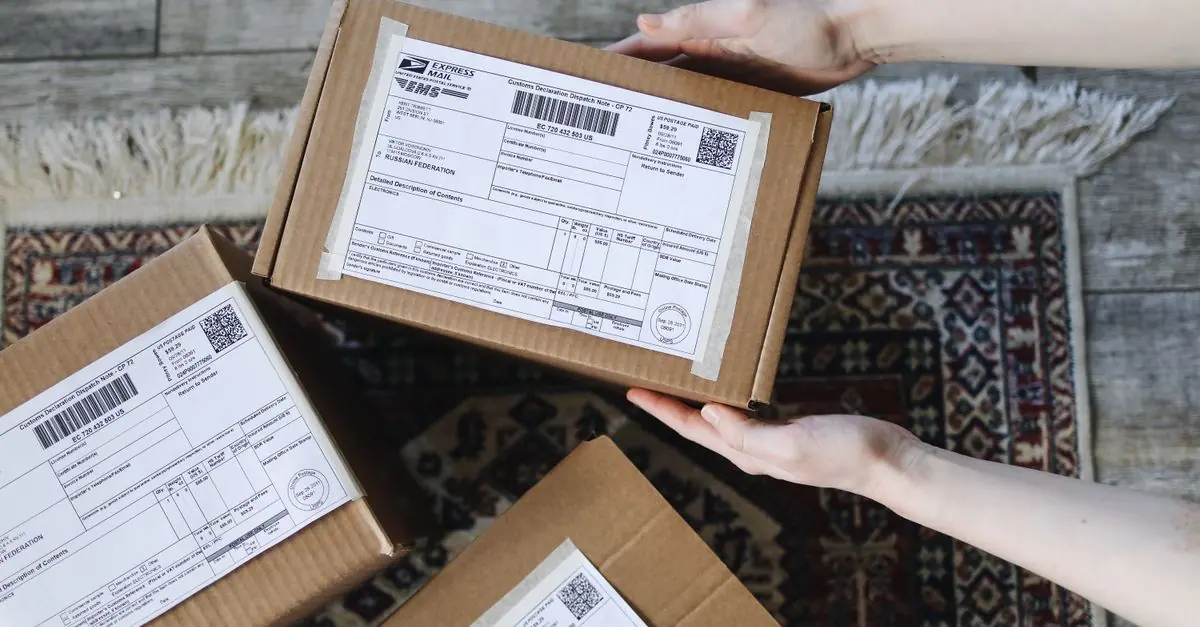
A returned item must travel, be checked, and often be repackaged before it can be sold again. If the item is damaged or inexpensive, processing may cost a substantial share of its value. Retailers may absorb that cost as part of customer service, reflect it in prices, or narrow eligibility by category and condition. A return policy also affects buying behavior: easy returns can encourage trial purchases, while strict terms may deter legitimate buyers. The sensible question is not whether free returns are good or bad in isolation. It is how the policy is funded, which items it covers, and whether shoppers understand the practical process. Environmental effects depend on transport and what happens to the returned product, not just the printed label.
Delivery and returns are operations, not just short labels on a product page. A stated window can depend on stock location, carrier capacity, address, and the point at which an order is accepted. Return conditions can vary by category and seller. Read the specific terms that apply to the item in the cart.
When a retailer offers convenience, ask what work has been moved or hidden. Fast delivery can require local inventory; free returns still require transport and inspection; a bundle can simplify choice while making individual prices harder to compare. These trade-offs do not make the service good or bad on their own. They explain what to check.
A free return still travels through a costly system.
Why conditions vary
Read the exact return route for a product: drop-off, collection, postage, refund timing, and item condition. Compare policies by how they work in practice, not only by whether the label says free.
Refund timing versus return cost
Trace a hypothetical returned item through five steps: pickup, transport, inspection, repackaging, and resale or disposal. Note which steps create cost and how a seller might reduce it without making the process unclear to shoppers.
A useful comparison records the full journey from order to resolution. The first amount shown may not be the final amount charged, and the first delivery estimate may not be a guarantee. Keep the order confirmation and later updates together. If a claim changes, compare the dated versions rather than relying on memory.
What the buyer should check
Return handling varies widely by category and seller. Do not infer that a returned item is automatically discarded or resold; seek evidence about the specific process.
An operational claim should be tested at a scale that matches the decision. One late package is a real experience but cannot establish a carrier-wide pattern. A broad average may obscure the route or item category a buyer cares about. Look for the relevant group and a sensible time period.
A working record for the next decision
For a consequential purchase, identify the point at which the buyer can still change course. A preorder, financed purchase, custom item, or third-party marketplace order may have different cancellation and dispute routes. The action available before payment can be more valuable than a promise to fix a problem later.
Keep conclusions proportionate to the evidence. If the guide explains a mechanism, it does not know today’s live inventory or your exact contract. Check the current provider terms and local rules. Use the method here to ask better questions, not as a guarantee of a price, delivery date, or refund.
- Write down the exact product, seller, and date.
- Compare the full final terms rather than a single headline figure.
- Mark what the source does not establish and where a current primary check is needed.
This guide is general information. Check current provider terms and applicable rules before making a purchase or asserting a specific right.