Understanding the offer / 01
Why prices differ across stores
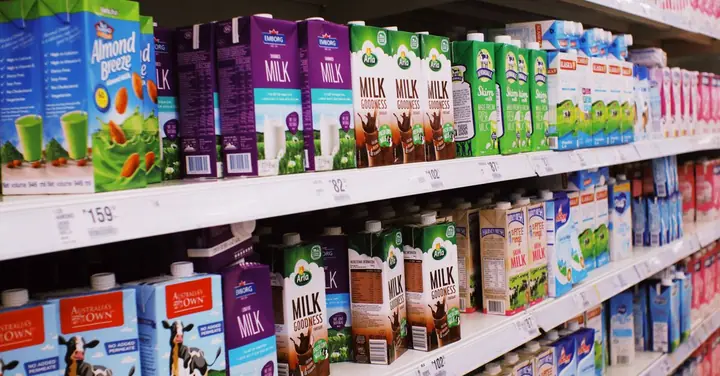
The same product can carry different prices because of inventory, location, service levels, and timing. A price difference alone does not explain its cause.
Read the guide ↗Browse the full collection. Each guide provides a way to examine the offer, compare terms, and identify what still needs verification.
Read the listing, price, and promises behind a convenient headline.
The same product can carry different prices because of inventory, location, service levels, and timing. A price difference alone does not explain its cause.
Read the guide ↗
Search results on a marketplace may reflect relevance, advertising, availability, and seller performance. The first result is not always the best match.
Read the guide ↗
Short delivery windows depend on warehouses, transport, staffing, and local demand. Convenience can shift costs to other parts of the system.
Read the guide ↗
Rewards can lower some costs while encouraging more visits and data collection. Their value depends on how and where you already shop.
Read the guide ↗
New versions often arrive on a schedule, but the changes may be small or significant. Marketing labels do not reveal the practical difference.
Read the guide ↗
Return windows, restocking fees, and item conditions shape the real risk of a purchase. A generous headline can hide category exceptions.
Read the guide ↗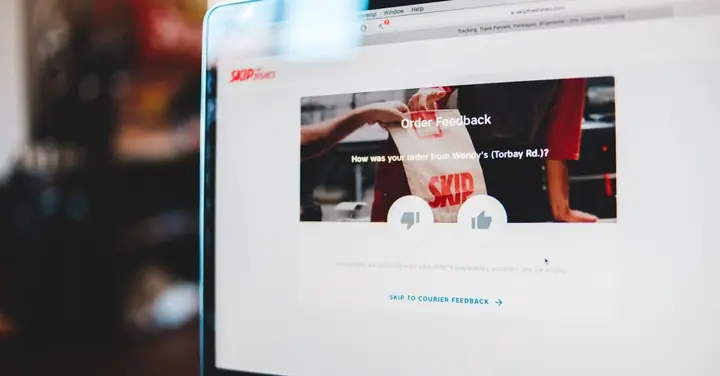
Reviews can reveal common failure points, but ratings also reflect expectations and selection bias. The pattern of detail matters more than a single score.
Read the guide ↗
Environmental claims may refer to one material, one stage of production, or the whole product. Clear scope is essential for comparison.
Read the guide ↗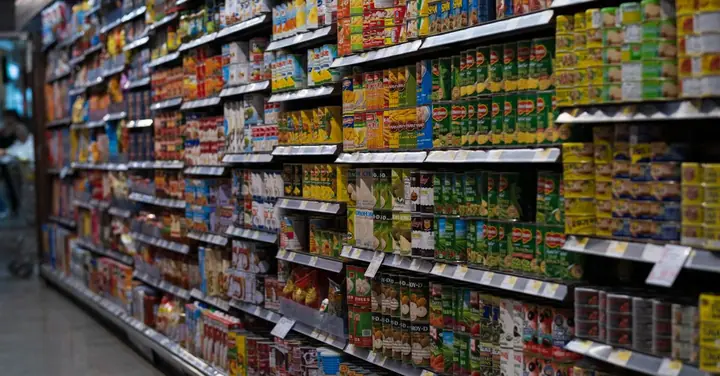
A product's path from supplier to shelf involves forecasts, storage, replenishment, and decisions about where stock is sent. Understanding that path explains why a listing can show availability in one place and a delay in another.
Read the guide ↗
The price seen in a search result may not be the amount paid. Taxes, delivery, location, seller selection, and promotions can be applied at different stages of a checkout.
Read the guide ↗Compare the full arrangement and the process that brings a product to you.
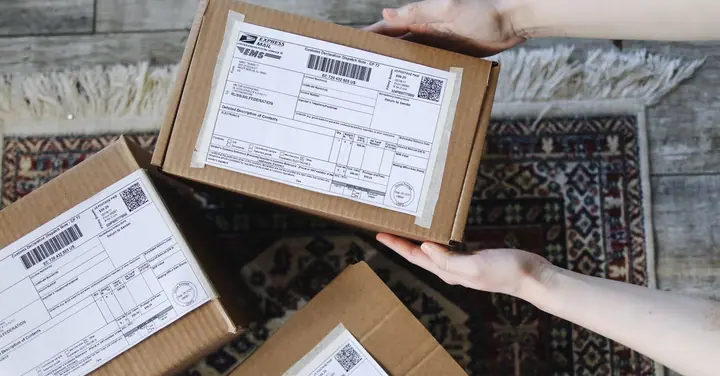
A free return is convenient for a buyer, but transport, sorting, inspection, and resale still have costs. Those costs help explain why retailers set conditions and why some products are harder to return than others.
Read the guide ↗
A sponsored label tells readers that a seller paid for visibility. It does not prove a product is unsuitable, but it changes how the position should be interpreted in a comparison.
Read the guide ↗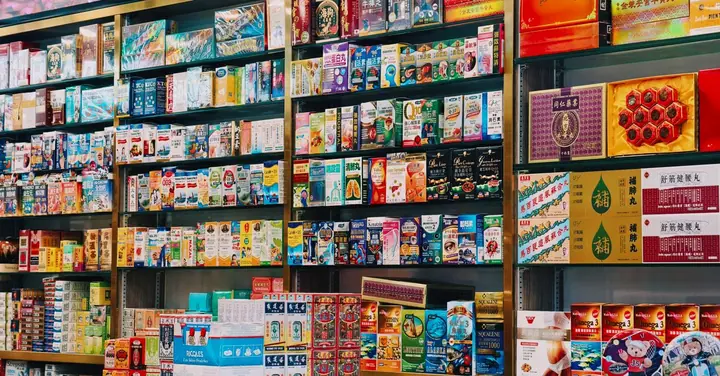
Retail promotions follow inventory goals, seasonal demand, supplier agreements, and competitive pressure. A calendar of sales can make an offer look urgent even when similar discounts recur.
Read the guide ↗
A familiar product can change weight, count, or concentration without a dramatic change to its shelf price. Comparing units and performance makes the change easier to see.
Read the guide ↗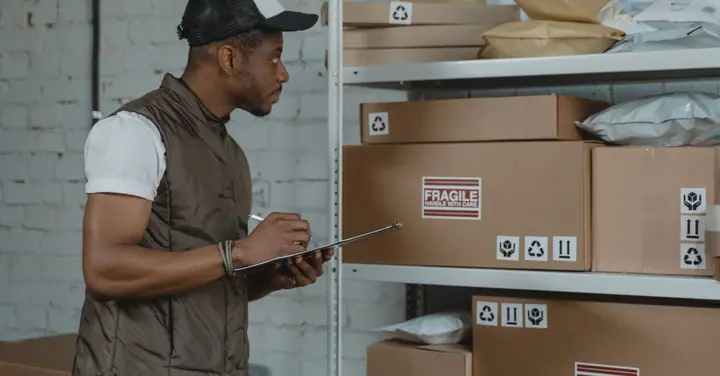
A retailer may describe a product as local, direct, or responsibly sourced. Each claim needs a defined scope before it can be compared with another offer.
Read the guide ↗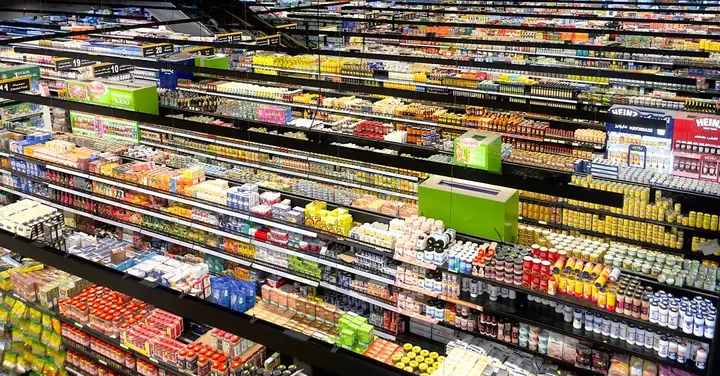
Some sellers adjust prices as inventory, demand, competition, or timing changes. A changing number can be frustrating, but understanding the mechanism helps distinguish ordinary updates from an unusual checkout discrepancy.
Read the guide ↗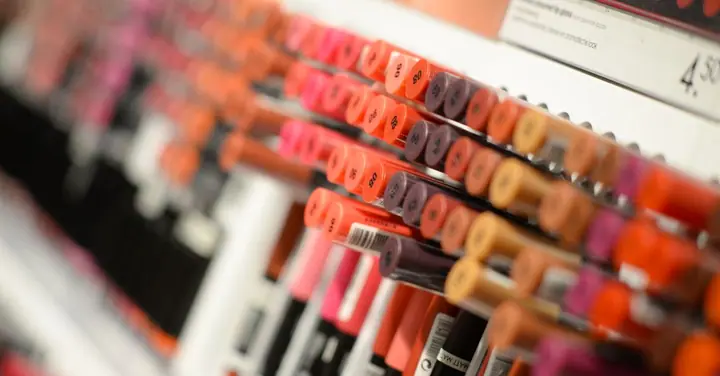
Retailer-owned brands change the comparison on a shelf. They may compete on price, quality, or a specific product feature, but the label alone does not reveal which trade-off is being made.
Read the guide ↗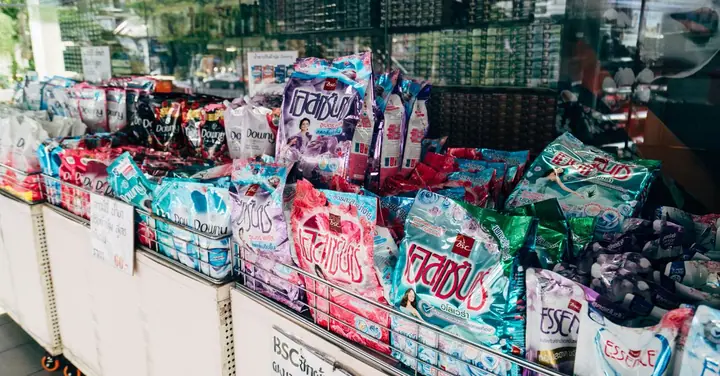
Transactions, searches, and loyalty activity help retailers understand demand. The same data can improve stock decisions while raising questions about how much information shoppers knowingly share.
Read the guide ↗
A comparison site can help narrow options, but its business model affects which offers appear and how they are presented. Understanding the revenue path makes the results easier to interpret.
Read the guide ↗
A delivery estimate joins inventory, warehouse capacity, transport, and the final local route into one promise. Each stage can change after an order is placed.
Read the guide ↗Look beyond the product card to terms, support, and practical use.

Preorders can help a seller forecast demand and help a customer reserve a product. They also shift the decision earlier, before reviews and final availability are known.
Read the guide ↗
A recall notice identifies a defined safety or compliance issue and explains which products are affected. The model number and remedy matter more than a dramatic headline.
Read the guide ↗
Shelf placement and online page design can be tested like other parts of a retail offer. A prominent position can reflect an experiment as well as product demand.
Read the guide ↗
A purchase made in a store, marketplace, or brand site can lead to different support routes. The party taking payment may not be the party providing the product.
Read the guide ↗
A chart can reveal a product's past listed prices, but it may miss coupons, seller changes, shipping fees, and differences between product versions.
Read the guide ↗
Bundles make several products look like one decision. Their value depends on what is included, what each part costs separately, and what can be returned.
Read the guide ↗
A repairability label can help compare products, but its meaning depends on the scoring method, available parts, tools, and the cost of actual service.
Read the guide ↗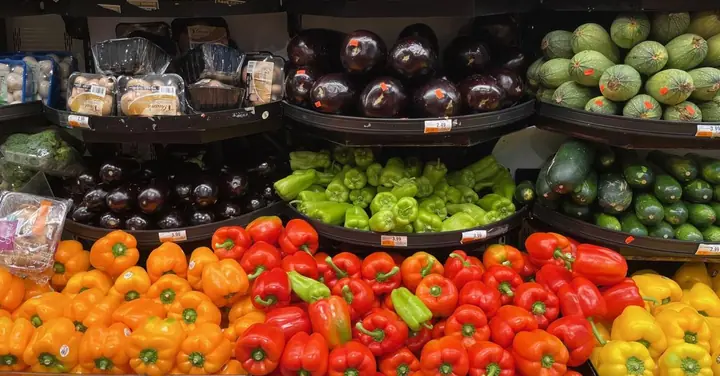
Prices can differ between neighborhoods and regions because costs, competition, inventory, and demand are not identical. The same chain may have several local offers.
Read the guide ↗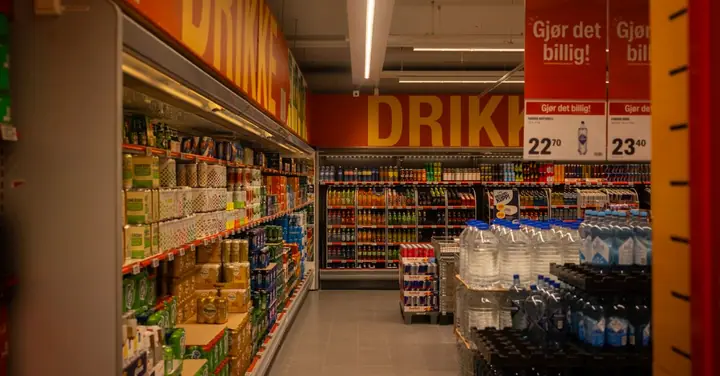
A low-stock badge or countdown can make delay feel costly. The message may be accurate, but shoppers still need to know what is scarce and when the claim was checked.
Read the guide ↗
A marketplace can host the listing, process payment, and provide dispute tools while a third-party seller fulfills the order. Responsibility depends on the issue and the terms attached to the purchase.
Read the guide ↗Check the rules, labels, and later steps that shape a purchase.
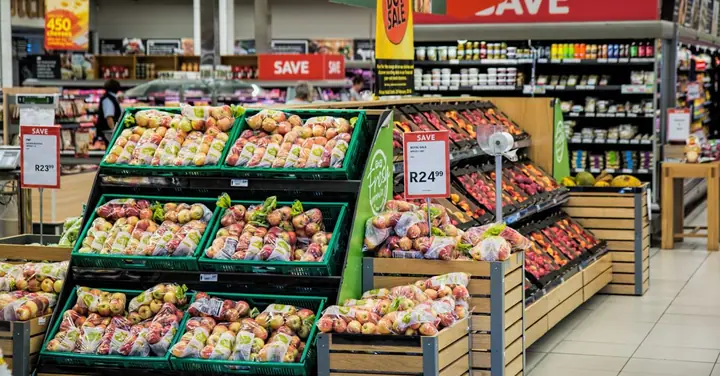
A store's own brand can change price, shelf space, and bargaining power. The label alone does not tell shoppers whether quality is better or worse.
Read the guide ↗
The final cost of delivery can include a service charge, distance fee, small-order fee, tip, and different item prices.
Read the guide ↗
Efficiency labels help compare products under standardized tests. Actual household cost still depends on use, settings, and energy prices.
Read the guide ↗
A return does not always go straight back onto a shelf. Inspection, repackaging, resale, recycling, or disposal may follow.
Read the guide ↗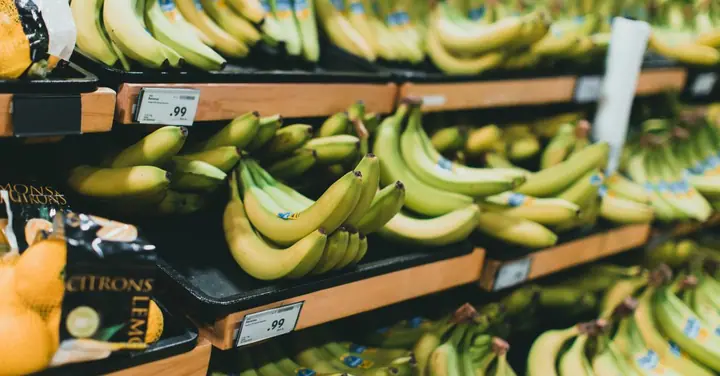
A promise to match a competitor may apply only to identical models, approved sellers, and a narrow time window.
Read the guide ↗
A certification mark may show that a product was tested to a specific standard. The mark's scope and issuer deserve a closer look.
Read the guide ↗
A product page can say in stock while fulfillment depends on a changing network of stores, warehouses, and reservations.
Read the guide ↗
Monthly-payment language can make a large purchase feel smaller. The meaningful comparison is the total paid under the written terms.
Read the guide ↗
A warranty's headline duration matters less if the most likely failure or required repair process is excluded.
Read the guide ↗
Shopping inside a social feed compresses discovery, recommendation, and purchase into a few taps. That convenience can make verification easy to skip.
Read the guide ↗