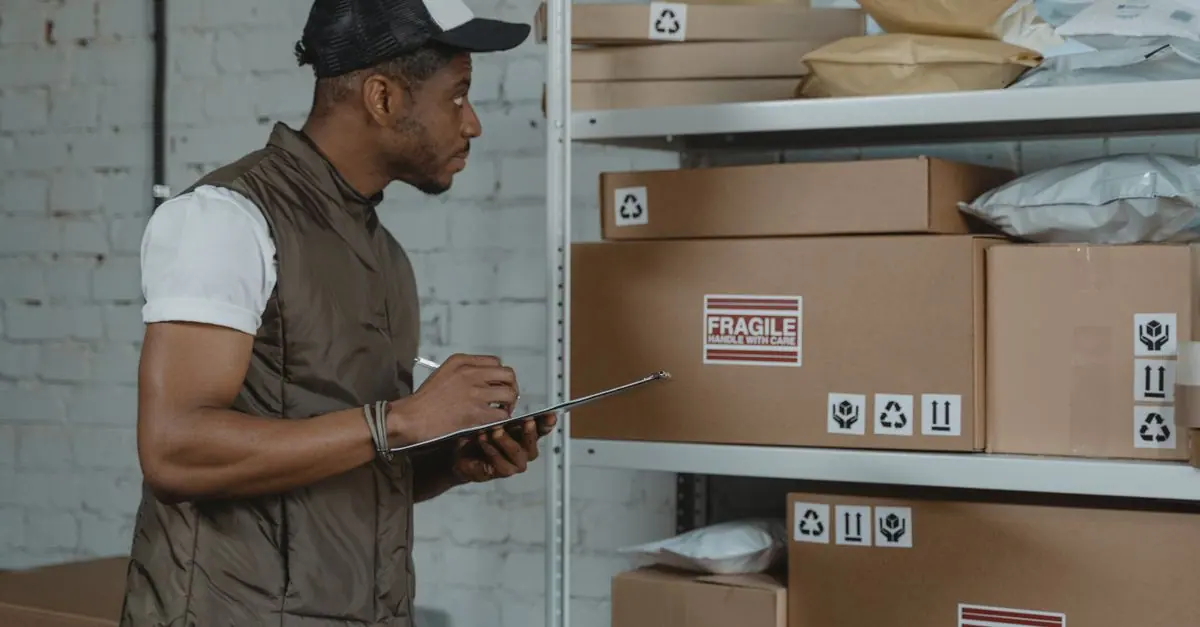
One product, several stages
A clothing listing says that materials are locally sourced. The garment may still be assembled elsewhere and shipped through several facilities. The phrase might be accurate about one input while leaving most of the production path unexplained.
A price is meaningful when the quantity, included services, and timing are defined. Compare like units and note whether a figure is a temporary promotion, a membership benefit, or the ordinary checkout total. A chart can show movement without explaining why it happened. The method behind the comparison matters as much as the line itself.
Find the boundary of the claim
Material versus assembly
Supply chains contain different stages: raw materials, processing, assembly, distribution, and retail. A claim can apply to one stage without describing the others. Look for the named material or process, the locations or standards covered, and whether independent evidence is available. Broad language may be meaningful to a brand but too vague for a shopper to compare. Even a clear origin statement does not settle quality, labor, or environmental questions by itself. Those outcomes require their own evidence and measures. A useful reader's question is what the statement actually establishes and what remains outside its boundary. Comparing like-for-like claims prevents a narrow fact from becoming a sweeping conclusion.
Delivery and returns are operations, not just short labels on a product page. A stated window can depend on stock location, carrier capacity, address, and the point at which an order is accepted. Return conditions can vary by category and seller. Read the specific terms that apply to the item in the cart.
When a retailer offers convenience, ask what work has been moved or hidden. Fast delivery can require local inventory; free returns still require transport and inspection; a bundle can simplify choice while making individual prices harder to compare. These trade-offs do not make the service good or bad on their own. They explain what to check.
A supply-chain claim is only as broad as the stage it actually describes.
Ask for evidence at that stage
Underline the exact words of a sourcing claim. Identify the stage of production it covers, the evidence offered, and one important stage it does not address.
A five-step source trail
Take two product descriptions with sourcing language. Draw a five-step chain from material to shelf and place each documented claim on the relevant step. Leave unsupported steps blank rather than filling them with assumptions.
A useful comparison records the full journey from order to resolution. The first amount shown may not be the final amount charged, and the first delivery estimate may not be a guarantee. Keep the order confirmation and later updates together. If a claim changes, compare the dated versions rather than relying on memory.
Leave gaps visible
Do not treat an undefined word such as local or ethical as proof of a complete production standard. Ask for measurable detail when the claim matters to the purchase.
An operational claim should be tested at a scale that matches the decision. One late package is a real experience but cannot establish a carrier-wide pattern. A broad average may obscure the route or item category a buyer cares about. Look for the relevant group and a sensible time period.
A working record for the next decision
For a consequential purchase, identify the point at which the buyer can still change course. A preorder, financed purchase, custom item, or third-party marketplace order may have different cancellation and dispute routes. The action available before payment can be more valuable than a promise to fix a problem later.
Keep conclusions proportionate to the evidence. If the guide explains a mechanism, it does not know today’s live inventory or your exact contract. Check the current provider terms and local rules. Use the method here to ask better questions, not as a guarantee of a price, delivery date, or refund.
- Write down the exact product, seller, and date.
- Compare the full final terms rather than a single headline figure.
- Mark what the source does not establish and where a current primary check is needed.
This guide is general information. Check current provider terms and applicable rules before making a purchase or asserting a specific right.