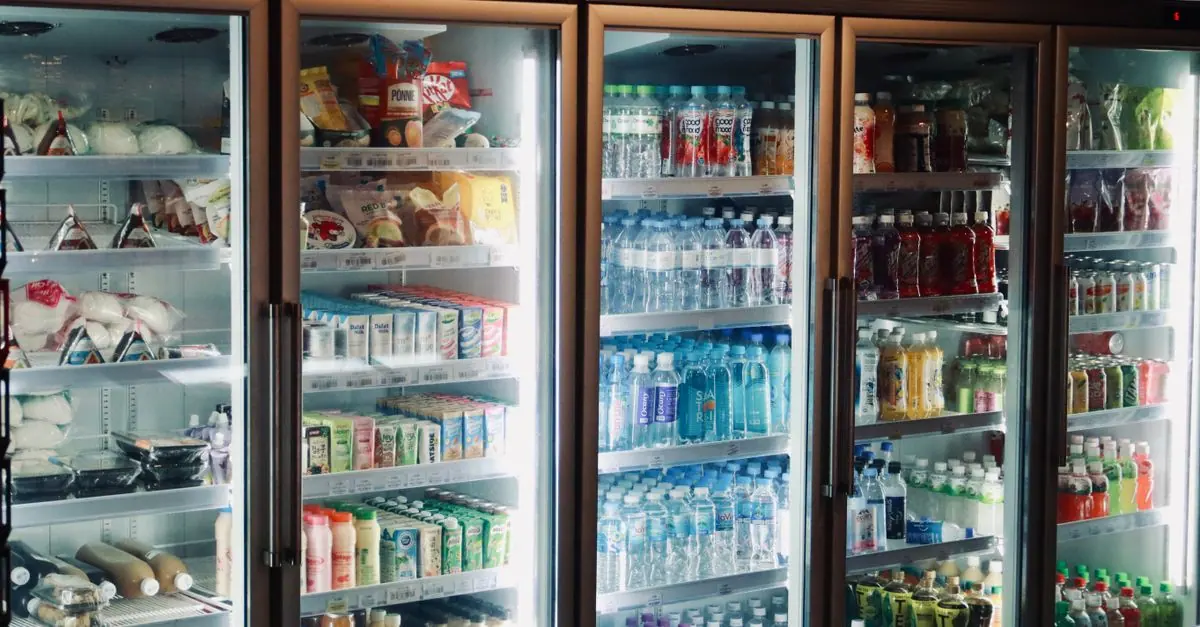
Placement shapes attention
Two shoppers open the same store's home page and see different featured products. The retailer may be comparing layouts, personalizing recommendations, or accounting for local stock. Neither page is a neutral list of everything available.
A product card compresses many decisions into a photograph, price, and short description. To compare fairly, look for specifications that affect use: dimensions, materials, compatibility, included services, and any restriction that would matter after delivery. A feature should be assessed in the setting where it will actually be used.
What stores may measure
From endcaps to interfaces
Physical stores test endcaps, signage, and product grouping. Digital stores can test search order, images, button text, and the steps to checkout. Some choices are informed by sales data, while others come from paid placement or agreements with brands. An experiment may measure clicks, baskets, or completed purchases, but a high click rate does not prove a product serves customers better. Placement also interacts with inventory: a store may promote an item it can fulfill reliably or reduce visibility when supply is tight. Readers can interpret a display by asking what is labeled as sponsored, which alternatives are missing, and whether the promoted product matches their original need. The design of the path to a product is part of the shopping environment, not independent evidence about quality.
Customer feedback can expose a problem that a specification misses, but the pattern needs context. Check the date, version, seller, and whether the review describes the same model. A very positive or very negative account can be useful without representing every buyer. Look for repeated, specific observations rather than a star average alone.
Service terms become important when the ideal purchase journey fails. Identify who accepts a complaint, who provides the warranty, and which records they may request. A marketplace, brand, and delivery carrier can have different responsibilities. The most direct contact route depends on the issue.
A prominent display tells you where to look first, not necessarily what to buy.
Look beyond the featured area
When a product is heavily featured, write down your requirements before browsing the display. Search the exact category and compare at least one alternative outside the promoted area.
A click is not a quality score
Visit one retailer's category page on two devices or at two times. Record differences in sorting, featured positions, and sponsored labels without assuming the cause of every change.
Labels and claims should be read for their scope. An energy label may cover a particular test condition; a repairability label may describe selected parts; a sustainability statement may refer to packaging rather than the entire product. Find the underlying criteria before extending the claim to a broader conclusion.
Interpret a changing page
An observed difference does not by itself prove a controlled test. Stock, location, account settings, and paid placement may also change the page.
A practical example should expose both the appeal and the limit of a choice. One option may cost less while requiring more maintenance; another may carry a longer warranty but a less useful repair route. Put those features side by side in terms that matter to the buyer rather than presenting one universal winner.
A working record for the next decision
Document the item and the promise you relied on. Model numbers, screenshots of terms, and dated correspondence are more useful than a vague recollection of a listing. Keep only the information needed to resolve the issue, and use official channels when contacting a seller or service provider.
A guide can clarify how to compare, but it cannot inspect every product sold under a similar name. When a specification, certification, or legal protection matters, check the current primary source. That final verification is part of a careful decision, not an admission that the earlier analysis was pointless.
- Write down the exact product, seller, and date.
- Compare the full final terms rather than a single headline figure.
- Mark what the source does not establish and where a current primary check is needed.
This guide is general information. Check current provider terms and applicable rules before making a purchase or asserting a specific right.