Define the environmental claim
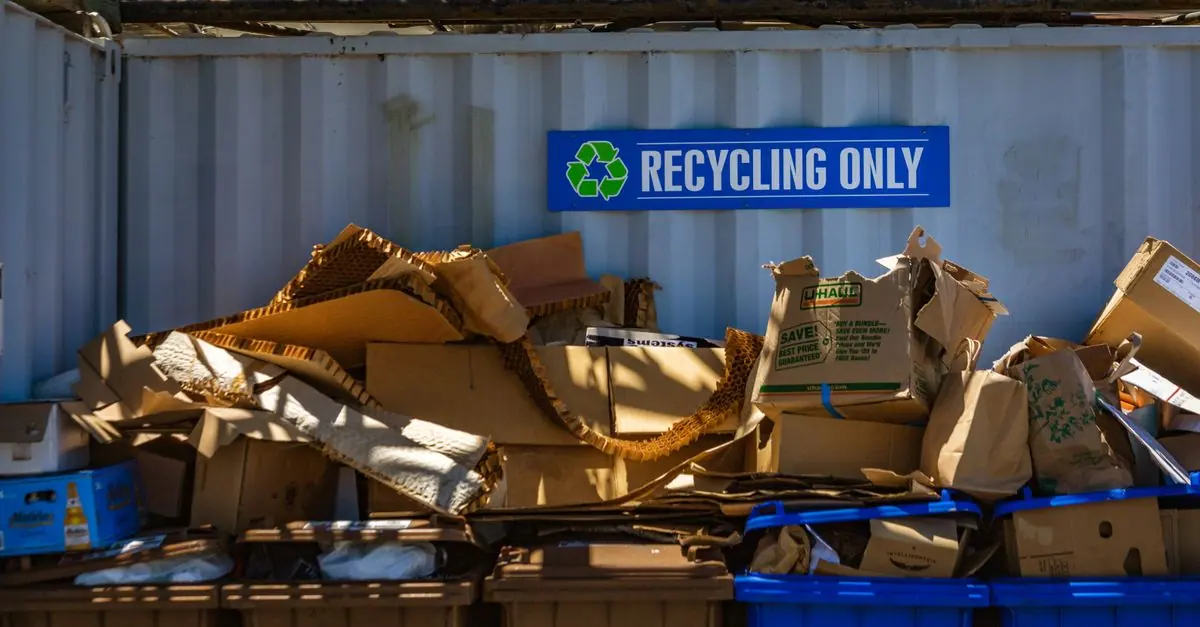
A package can be recyclable while the product inside is hard to repair. Sustainability claims are most useful when their scope and evidence are both clear.
A comparison begins with the exact product and the exact offer. Similar images and names may conceal differences in model, capacity, included accessories, seller, or service level. Keep the listing date beside a saved copy of the terms so a later change is visible. The clearest decision is based on what is actually available at checkout, not on a broad impression left by a headline.
Check its evidence
One material or whole product
Sustainability language is strongest when it names a measurable boundary. A claim about packaging does not describe manufacturing, use, or end of life. Ask what part of the product is covered, what standard is used, and who verifies it. Durability, repairability, and actual disposal routes may matter as much as a single material label. The scope of a claim should remain visible in any comparison.
The advertised number is one part of the arrangement. Shipping, taxes, membership conditions, return costs, and time can affect the practical value of a choice. When two options differ, write the difference next to the final amount rather than compressing everything into a single ranking. A lower starting price may still be useful, but its conditions should be easy to see.
Ask who made the claim and what they can know. A seller can describe its own terms; a reviewer can report an experience; a marketplace may rank offers using rules that are not fully visible. Those sources answer different questions. An independent comparison should identify the source of each important statement and leave uncertain points open.
A credible claim names what was measured and what was not.
Consider useful life
Look for the measured attribute, the standard used, and whether independent verification is available. Ask how long the product is expected to last.
Independent verification
Use one product listing or retailer announcement as a small case study. Separate the seller's claim from independently checkable details such as price, conditions, timing, and comparable alternatives. Note what the listing leaves unclear. If you read reviews or outside commentary, record whose experience they describe. This approach turns a sales message into a more complete picture of the consumer decision.
Before treating a pattern as general, test it against another product, seller, or date. A single example can reveal a useful question without proving a market-wide rule. The purpose of an example in this guide is to make the decision process inspectable. It is not a claim that a named retailer always behaves in one way.
Avoid broad conclusions
Broad labels without definitions provide little evidence. Avoid treating a single positive attribute as a complete assessment.
A purchase decision also has a timing dimension. Stock, promotions, and delivery promises can change between the first view and the final order. Record what the site confirmed at payment and what remains an estimate. If a condition matters, such as a deadline or a particular feature, verify it with the responsible provider before committing.
A working record for the next decision
A concise record makes a later question easier to resolve. Save the model identifier, seller of record, final price, delivery estimate, and applicable return terms. If the delivered item differs, these details provide a common reference. Avoid sending payment credentials or personal identifiers through an unfamiliar support link.
The most useful conclusion is often conditional: this option may fit a reader who values speed, while another may fit someone who values repairability or flexibility. State which conditions drive the choice. If those conditions change, revisit the comparison rather than treating an old ranking as permanent.
- Write down the exact product, seller, and date.
- Compare the full final terms rather than a single headline figure.
- Mark what the source does not establish and where a current primary check is needed.
This guide is general information. Check current provider terms and applicable rules before making a purchase or asserting a specific right.